





Walls do more than define a space; they influence how a home, office or commercial property looks and feels. A smooth, durable finish, however, depends on what lies beneath the paint. This is where wall care putty becomes important. The right putty can improve appearance and finish. With several formulations available and prices varying by product, choosing the right option requires more than comparing bag prices. Understanding the types, applications and factors affecting cost can help homeowners, contractors and builders make informed decisions.
Beyond creating a visually appealing surface, wall putty helps prepare walls for subsequent painting by addressing minor imperfections and providing a more uniform base. It can also contribute to better paint application when the surface has been prepared and treated correctly. However, not every wall has the same requirements. Interior and exterior surfaces, moisture-prone areas and newly plastered walls may call for different considerations. Knowing what to look for before purchasing can prevent unnecessary material usage, repeated applications and avoidable expenses. A well-informed decision therefore balances surface condition, product performance, coverage and overall project requirements rather than focusing on price alone.
What Is Wall Putty?
Wall putty is a surface-finishing material applied over plastered walls, concrete or other suitable substrates before primer and paint. Its primary purpose is to fill small cracks, pores, uneven areas and surface imperfections, creating a smoother base for subsequent coatings. Quality putty can support better paint adhesion and reduce minor defects, but it cannot replace repairs for structural cracks or dampness.
It also helps create a more consistent surface, allowing paint to spread evenly and improving the overall visual quality of the finished wall. Depending on its formulation, wall putty can offer different levels of smoothness, durability and moisture resistance. Proper surface preparation and application are essential to achieving the intended performance and preventing premature finishing problems.
Common Types of Wall Putty
Different wall conditions and project requirements call for different formulations.
Cement-Based Wall Putty
Cement-based putty is widely used for interior and exterior surfaces. It generally provides good adhesion and a strong base for paint, making it suitable for construction and renovation projects where durability is important.
Acrylic Wall Putty
Acrylic putty is commonly preferred for interior finishing because of its smooth application and ease of use. It can provide a refined surface that works well with decorative paints.
Waterproof Wall Putty
In areas exposed to moisture, a water-resistant or waterproof formulation can provide additional protection. They are useful where humidity or moisture could affect conventional finishing materials, but leakage and seepage must be addressed separately.
Key Uses of Wall Putty
Putty serves several practical purposes:
- Surface levelling: Helps minimise minor unevenness and creates a more uniform surface.
- Imperfection correction: Fills small pores, pinholes and shallow defects before painting.
- Paint preparation: Provides a consistent base for primer and paint.
- Enhanced appearance: Supports a cleaner and more refined final finish.
- Better coating performance: Proper preparation can help reduce premature deterioration.
- Material efficiency: A well-prepared wall may need fewer corrective paint applications.
Factors That Influence Wall Putty Price
Price is important, but the cheapest product is not always the most economical choice. Several factors can influence cost.
Product Composition and Quality
Raw materials, formulation and performance characteristics directly affect pricing.
Type of Putty
Different formulations have different price points because their ingredients and intended performance vary. Choosing according to the actual application helps prevent unnecessary spending.
Brand and Manufacturing Standards
Manufacturers that invest in quality control, testing and consistent production may price products differently from lesser-known alternatives.
Packaging, Coverage and Quantity
Putty is sold in different pack sizes. Larger quantities may offer better value for substantial projects, but buyers should calculate coverage rather than compare only the price per bag. Coverage should also be compared because a lower-priced product may require more material per square metre.
Location and Logistics
Transportation, distributor margins, local demand and delivery distance can affect the final price.
How to Choose the Right Wall Putty
Start by assessing the surface rather than selecting a product solely because of its price. Consider whether the application is interior or exterior, whether the wall is exposed to moisture, the condition of the substrate and the type of paint planned. Check recommended thickness, drying time, coverage, compatibility and surface-preparation requirements.
For larger projects, calculate the quantity required before purchasing to avoid interruptions, waste and unnecessary storage. For buyers comparing the best wall putty in India, performance, suitability, consistency and application requirements should be evaluated alongside cost. A product that matches the project’s conditions can offer better long-term value than one selected only for its initial price.
Application Practices That Matter
Even a high-quality product can deliver poor results if the surface is not prepared correctly. The wall should be clean, sound and free from dust, loose particles, grease and contaminants. Moisture-related problems and significant cracks should be addressed before application. Following the recommended mixing ratio, application thickness and drying intervals is equally important. Applying excessively thick layers or rushing between coats can affect the finish. Once the putty has dried, suitable sanding and cleaning can prepare the surface for primer and paint.
Conclusion
Selecting wall putty should be viewed as an investment in the overall quality and longevity of a painted surface. From understanding different formulations to assessing coverage, application requirements and pricing, every factor can influence the final result. A balanced approach ensures that the chosen material not only fits the project budget but also provides the desired finish and supports efficient application.
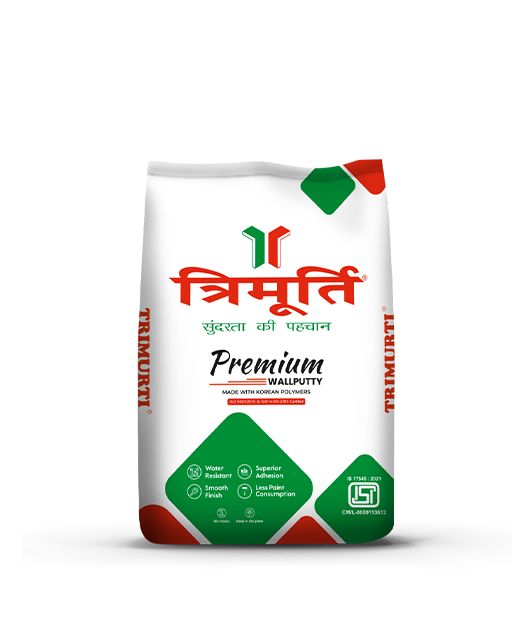
If you are in search of dependable construction materials backed by quality, consistent supply and customer-focused support, Trimurti can be a suitable choice to consider. Their product range extends across wall finishing and other construction requirements, with an emphasis on reliable manufacturing, practical solutions and timely availability. Whether the requirement involves a residential renovation, commercial development or a larger construction project, understanding the Trimurti pop price can also support more accurate budgeting when planning related finishing requirements. Selecting materials from an established provider can make procurement easier while supporting better project outcomes.