




Why is turf clean maintenance considered essential even for modern synthetic surfaces?
Turf systems are engineered for durability and low upkeep, yet real-world performance data consistently shows that cleanliness plays a decisive role in long-term quality. Over time, dust, organic particles, and environmental debris naturally accumulate within the fibers. If not addressed, these elements can gradually impact both appearance and functionality. Turf clean maintenance ensures that the surface remains free from buildup, allowing it to perform at its intended level. This balance between durability and cleanliness is what sustains high-quality turf performance across all environments.
How does turf clean maintenance influence overall surface performance?
Performance studies highlight that clean turf surfaces deliver more consistent usability compared to neglected ones. When debris accumulates, it can interfere with fiber movement and reduce surface responsiveness. Regular cleaning restores fiber alignment and ensures even distribution of infill materials. This leads to improved traction, better comfort, and a more stable surface experience. Consistent turf clean practices are directly associated with higher long-term performance efficiency.
What measurable benefits does turf clean maintenance provide in terms of durability?
Durability is one of the most important indicators of turf quality over time. Research suggests that removing abrasive particles such as dust and sand significantly reduces fiber wear. These particles, when left unchecked, can cause gradual deterioration of synthetic blades. Turf clean maintenance eliminates these stress factors and helps preserve the structural integrity of the system. Additionally, maintaining infill balance ensures that the turf retains its cushioning and support functions for a longer period.
How does turf clean maintenance improve hygiene and environmental cleanliness?
Hygiene is a major factor in outdoor surface maintenance, especially in spaces used frequently by families, pets, and recreational groups. Turf can trap bacteria, allergens, and organic waste if not properly cleaned. Regular turf clean maintenance removes these contaminants from both surface and deeper layers. This results in a healthier environment and reduces exposure to potential irritants. Clean turf systems contribute significantly to safer and more comfortable outdoor spaces.
Can turf clean maintenance enhance visual appearance and consistency?
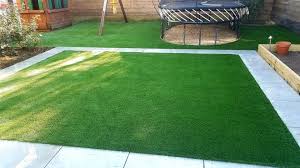
Visual appeal is one of the most noticeable benefits of proper turf cleaning. Over time, environmental exposure can cause fibers to flatten and lose vibrancy. Turf clean processes restore fiber orientation and remove surface debris, resulting in a more uniform appearance. Data shows that regularly cleaned turf maintains its color and texture for longer periods. This enhances the overall aesthetic value of outdoor areas, making them appear well-maintained and visually appealing.
How does turf clean maintenance support drainage efficiency?
Efficient drainage is essential for maintaining usability after rainfall or cleaning. When debris accumulates, it can obstruct water flow and reduce system efficiency. Turf clean maintenance prevents such blockages by keeping the surface and infill layers clear. This allows water to pass through the system smoothly, minimizing the risk of pooling or moisture retention. Proper drainage also helps maintain the structural integrity of the turf over time.
What role does turf clean maintenance play in odor control?
Odor management is particularly important in environments where turf is exposed to pets or organic waste. Without proper cleaning, moisture and bacteria can become trapped within the fibers, leading to unpleasant odors. Turf clean maintenance removes these sources by eliminating organic buildup and improving overall hygiene. This ensures that the turf remains fresh and comfortable for daily use, even in high-traffic areas.
How does turf clean maintenance improve safety for users?
Safety is closely linked to the condition of the turf surface. Uneven infill distribution or debris accumulation can create inconsistencies that affect footing. Turf clean maintenance restores evenness and stability across the surface. This improves traction and reduces the risk of slips or discomfort during use. Additionally, removing harmful microorganisms contributes to a safer environment for children, pets, and general recreational use.
What tools and techniques are commonly used in turf clean maintenance?
Modern turf clean maintenance relies on specialized equipment designed to preserve both structure and appearance. Mechanical brushes are used to lift flattened fibers and restore their upright position. Vacuum systems remove embedded debris, while infill redistribution tools ensure even surface support. These techniques work together to maintain consistency and functionality. Advanced methods are also designed with efficiency and environmental responsibility in mind.
How frequently should turf clean maintenance be performed for best results?
The frequency of turf clean maintenance depends on usage levels and environmental exposure. High-traffic areas require more frequent cleaning to maintain performance standards, while lower-use areas may follow a less intensive schedule. Consistency is the key factor in achieving optimal results. Regular cleaning prevents buildup and ensures that the turf remains in peak condition throughout the year. Structured maintenance schedules are widely recommended for long-term performance stability.
Does turf clean maintenance contribute to environmental sustainability?
Turf systems already support sustainability by reducing water consumption compared to natural grass. Turf clean maintenance enhances this benefit by ensuring efficient drainage and minimizing the need for chemical treatments. Eco-friendly cleaning methods help reduce environmental impact while maintaining surface quality. This makes turf clean practices an important component of sustainable landscape management in modern outdoor design.
How does turf clean maintenance affect long-term cost efficiency?
From a financial perspective, turf clean maintenance offers significant long-term cost advantages. Preventive cleaning helps avoid issues such as fiber degradation, drainage blockage, and infill imbalance. By maintaining optimal conditions, turf systems require fewer repairs and have an extended lifespan. This reduces overall maintenance expenses and provides strong long-term value, making regular cleaning a cost-effective strategy.
What impact does turf clean maintenance have on property value and appearance?
Well-maintained turf significantly enhances the visual appeal of any property. Clean, uniform, and vibrant surfaces create a positive impression that reflects overall care and quality. This can improve property perception and contribute to higher value in both residential and commercial settings. Turf clean maintenance ensures that outdoor areas remain attractive, organized, and visually consistent throughout the year.
Why is professional turf clean maintenance more effective than basic cleaning routines?
Basic cleaning typically focuses on visible debris removal, while professional turf clean maintenance addresses deeper structural needs. Advanced techniques ensure fiber restoration, infill balancing, and deep cleaning of embedded contaminants. This comprehensive approach enhances performance consistency and extends turf lifespan. Professional maintenance delivers a higher standard of care, ensuring long-term reliability and optimal surface quality.
Conclusion
Turf clean maintenance is a vital aspect of modern outdoor surface care, supported by clear performance data and practical benefits. It improves durability, hygiene, drainage efficiency, safety, and visual consistency while reducing long-term maintenance costs. Regular cleaning ensures that turf systems continue to perform at a high standard and maintain their aesthetic appeal. By adopting a structured turf clean approach, property owners can preserve the quality, value, and functionality of their outdoor spaces for many years.