







home prices increase have become a pressing issue, rising 59% since 2021. This surge, combined with a 34% rise in construction costs, is causing significant challenges in the real estate market.
Current Trends in Home Prices
Recent data indicates a significant upward trend in home prices across various markets. Since 2021, home prices have surged by 59%, reflecting a combination of high demand and limited supply. This increase in home prices is further exacerbated by rising construction costs, which have seen a staggering 34% rise during the same period.
The ongoing conflict in West Asia has added additional pressure on global supply chains, contributing to the escalating costs associated with construction materials. As builders grapple with these challenges, the construction industry is experiencing delays and increased prices, which in turn affects the overall housing market.
Homebuyers are now facing a dual challenge: not only are they dealing with higher home prices, but they are also confronted with escalating construction costs. This scenario has led to a shift in buyer behavior, with many opting for existing homes rather than new constructions. The dynamics of this real estate market continue to evolve, and experts predict that the trend of rising home prices may persist as long as construction costs remain elevated.
In summary, the current trends in home prices are closely linked to the rising costs of construction, creating a challenging environment for both buyers and builders.
Impact of Construction Costs
The recent surge in construction costs has significantly impacted the housing market, contributing to the ongoing trend of home prices increase. As construction costs have risen by 34% since 2021, builders are facing challenges that ultimately translate to higher prices for consumers.
Several factors are driving this increase in construction costs:
- Supply Chain Disruptions: Global supply chain issues have led to shortages of essential materials, pushing prices higher.
- Labor Shortages: A lack of skilled labor in the construction industry has resulted in increased wages, further driving up costs.
- Regulatory Changes: New building regulations and environmental standards can add to the expenses incurred by construction companies.
- Geopolitical Factors: The ongoing conflict in West Asia has caused instability in energy prices and material availability, complicating the construction landscape.
As these construction costs continue to rise, the pressure on home builders intensifies, resulting in a cascading effect that exacerbates the home prices increase. The combination of high demand for housing and constrained supply is likely to keep home prices elevated, affecting affordability for potential buyers.
West Asia Conflict and Real Estate
The ongoing conflict in West Asia has significantly impacted various sectors, including real estate. As home prices increase, the ripple effects of geopolitical tensions are becoming more pronounced. Investors and potential homeowners are feeling the pressure as construction costs soar, exacerbated by supply chain disruptions and rising material prices.
According to recent reports, the construction costs have risen by approximately 34% since 2021. This surge is largely attributed to the instability in the region, which has affected the availability of essential building materials. Consequently, the escalating costs are being passed on to consumers, leading to a notable increase in home prices.
Industry experts suggest that the combination of rising construction costs and heightened demand for housing is creating a challenging environment for buyers. With home prices increasing at an alarming rate, many are left wondering how long this trend can continue. The uncertainty surrounding the West Asia conflict only adds to the complexity, as potential investors remain cautious.
As the situation evolves, stakeholders in the real estate market are closely monitoring developments. The balance between supply and demand will be crucial in determining future home prices and overall market stability.
Future Predictions for the Housing Market
As the housing market continues to evolve, experts are making predictions about the future of home prices increase across various regions. With construction costs surging by 34% since 2021, many analysts are concerned about the sustainability of these rising prices. The ongoing conflict in West Asia has further complicated the situation, leading to disruptions in supply chains and increased uncertainty in the market.
Several key factors will influence the trajectory of home prices in the coming months:
- Interest Rates: The potential for rising interest rates could cool buyer demand, which might stabilize or even lower home prices.
- Supply and Demand: A shortage of available homes continues to push prices upward, but if new construction can keep pace, this might ease pressure on the market.
- Economic Conditions: Inflation and other economic indicators will play a crucial role in shaping buyer confidence and spending power.
- Government Policies: Any new regulations or incentives aimed at supporting homebuyers could impact the market dynamics significantly.
In summary, while home prices increase remains a dominant trend, various external factors will dictate how this will unfold in the near future.
As construction costs continue to soar, home prices increase, putting additional pressure on potential buyers. Experts warn that if home prices increase further, affordability could become a significant issue for many families.
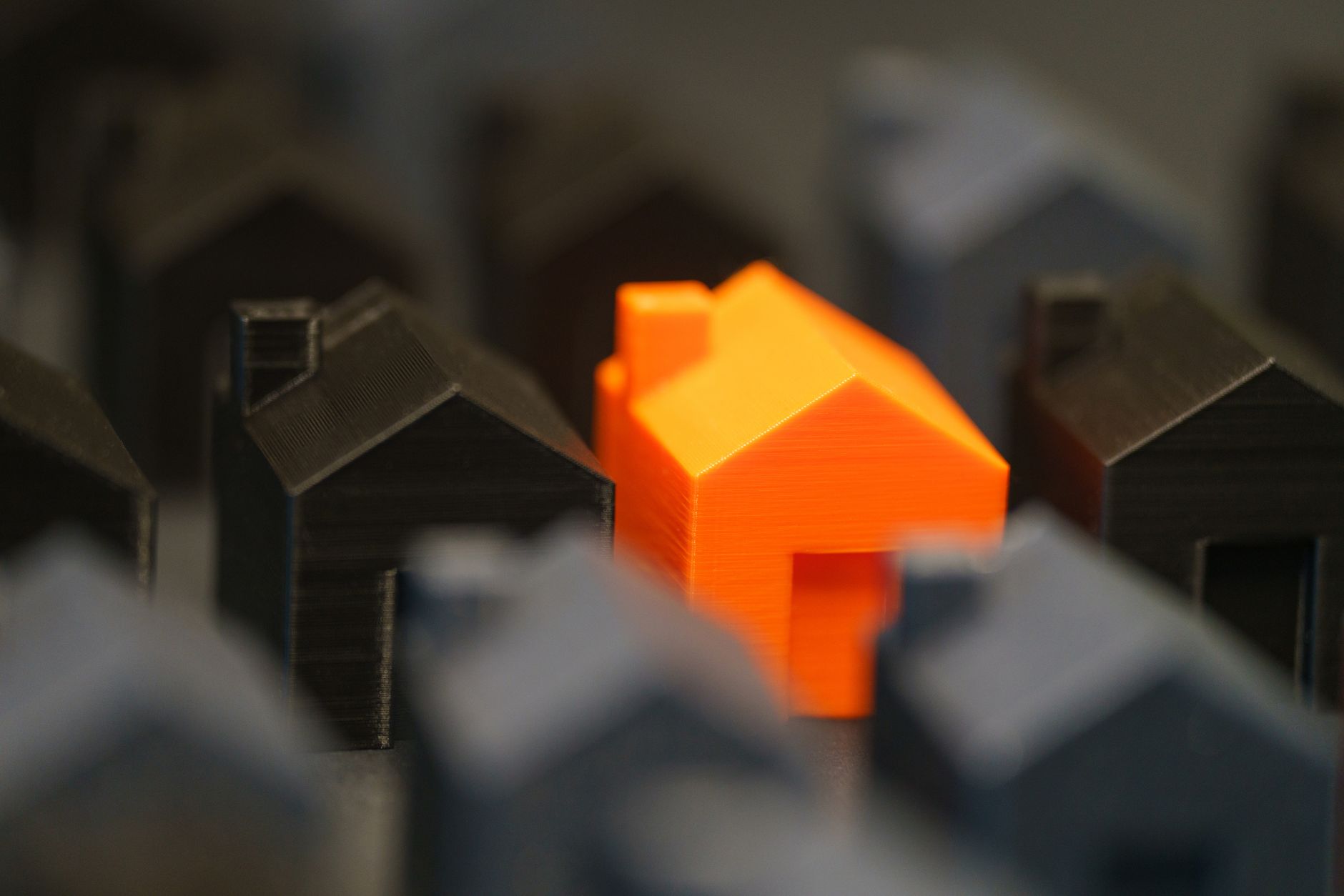
Photo by Jakub Zerdzicki on Pexels
Sources
Related reading
Housing project Tribhuja: Best proven investment opportunity · Affordable wedding package: CasaBlanca Resort’s new deal · Sony BRAVIA 3II: The Best Smart TV with Proven Features