








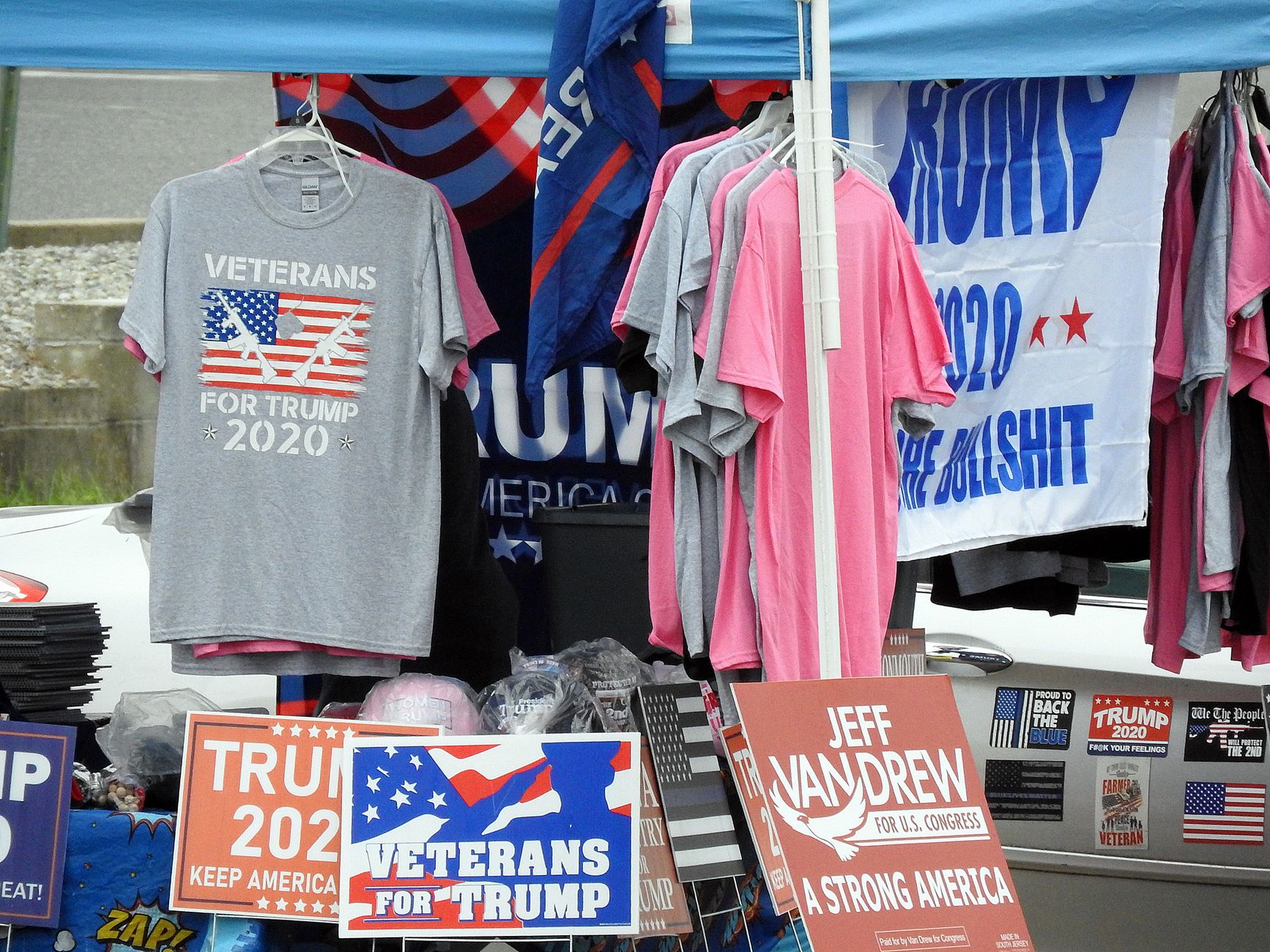
Trump TV launch is causing waves in the media landscape as US broadcasters boycott the White House pool. This unprecedented move raises questions about media relations and transparency.
Overview of Trump TV Launch
The recent announcement of the Trump TV launch has stirred significant debate among media analysts and political commentators. This new venture aims to provide an alternative platform for broadcasting content that aligns with former President Donald Trump’s ideologies and messaging.
As traditional broadcasters announce a boycott of the White House press pool, Trump TV emerges as a response to perceived media bias. The initiative is expected to attract a dedicated viewer base, particularly among Trump’s supporters, who seek news coverage that resonates with their beliefs.
Critics argue that the launch of Trump TV may further polarize the media landscape, leading to an increase in misinformation and divisive content. The implications for journalistic integrity and democratic discourse could be profound, as viewers may increasingly turn to partisan outlets for their news.
In this evolving media environment, the choices made by broadcasters and viewers alike will ultimately shape the future of political communication.
Impact on US Broadcasters
The recent launch of Trump TV has sent shockwaves through the broadcasting industry, raising concerns among US broadcasters about the potential impact on their viewership and advertising revenue. As networks grapple with the implications of this new platform, several key factors have emerged.
- Viewer Fragmentation: Trump TV may draw a significant audience away from traditional broadcasters, leading to a fragmented viewership landscape.
- Advertising Challenges: Advertisers may reconsider their spending as they gauge the effectiveness of reaching audiences on Trump TV compared to established networks.
- Content Strategy Shift: Broadcasters may feel pressured to adjust their programming to compete with the provocative style of Trump TV, potentially compromising their editorial integrity.
- Political Polarization: The rise of Trump TV could further deepen the divide in media consumption, as viewers gravitate towards partisan content.
In summary, the Trump TV launch poses significant challenges for US broadcasters, compelling them to rethink their strategies in a rapidly evolving media landscape.
Public Reaction to the Boycott
The public reaction to the boycott of US broadcasters in light of the recent Trump TV launch has been mixed, reflecting a deep division in opinions. Many supporters of the former president view the boycott as an attack on free speech and a direct attempt to silence conservative viewpoints. They argue that the launch of Trump TV provides a much-needed platform for alternative narratives that mainstream media often neglects.
On the other hand, critics assert that the boycott is necessary to hold broadcasters accountable for their responsibilities towards unbiased reporting. They believe that allowing Trump TV to gain traction could further polarize the already contentious media landscape.
Social media platforms have been abuzz with reactions, showcasing both fervent support and strong opposition. Key points of contention include:
- Media Credibility: Concerns about the reliability of information presented.
- Political Polarization: Fear of increased division among viewers.
- Consumer Choice: The potential for more diverse programming options.
Media Ethics in Political Reporting
The recent Trump TV launch has sparked intense debates about media ethics in political reporting. Critics argue that the establishment of a network dedicated to promoting a single political figure undermines journalistic integrity and objectivity.
Key concerns include:
- Bias in Reporting: The potential for biased news coverage favors the political agenda of one individual, raising questions about the role of media as a watchdog.
- Accountability: When journalism becomes a tool for propaganda, the accountability of public figures diminishes, leading to a less informed electorate.
- Public Trust: The blurring lines between news and entertainment can erode public trust in all forms of media, making it difficult for audiences to discern fact from opinion.
As the political landscape evolves, the implications of the Trump TV launch may have long-lasting effects on how political reporting is perceived and consumed by the public.
Future of Broadcast Media
The future of broadcast media is becoming increasingly uncertain as the landscape shifts in response to the Trump TV launch. This controversial move has significant implications for traditional broadcasting networks, which have long dominated news dissemination. As audiences gravitate towards platforms that align with their political views, broadcasters face the challenge of maintaining relevance in a polarized environment.
Several key factors are shaping this future:
- Changing Viewer Habits: Audiences are now more inclined to seek out news that resonates with their beliefs, often turning to niche platforms rather than mainstream broadcasters.
- Increased Competition: With the rise of digital media and streaming services, traditional broadcasters must innovate to capture and retain viewers.
- Political Influence: The rise of politically charged networks like Trump TV may further fragment the media landscape, complicating efforts to provide unbiased reporting.
As these challenges unfold, the industry must adapt to survive in an era of unprecedented change.
Comparing Trump TV to Traditional Networks
As the media landscape evolves, the upcoming Trump TV launch presents a stark contrast to traditional broadcasting networks. Unlike established channels that adhere to journalistic standards, Trump TV aims to cater primarily to a specific political audience, prioritizing sensationalism over balanced reporting.
This shift raises concerns about the integrity of news consumption. Traditional networks often offer a mix of viewpoints, ensuring a broader perspective on current events. In contrast, Trump TV is expected to present a singular narrative that aligns closely with Trump’s political agenda.
Moreover, advertisers and sponsors may face ethical dilemmas when supporting a platform that could further polarize public opinion. As viewers increasingly turn to niche outlets, the implications for the future of broadcasting could be significant, highlighting an ongoing trend towards fragmentation in media.
- Traditional networks emphasize diverse perspectives.
- Trump TV may reinforce echo chambers.
- Ethical concerns for advertisers grow.
Analysis of Trump’s Media Strategy
In analyzing Trump’s media strategy, the launch of Trump TV appears as a calculated move to leverage his existing base while challenging traditional media narratives. The initiative is designed not only to provide an alternative platform for his messaging but also to create a direct connection with his supporters, bypassing conventional media channels. This approach aligns with his historical distrust of mainstream outlets, framing Trump TV as a reliable source for his views and policies.
Strategically, Trump TV could potentially reshape the media landscape, as it seeks to capitalize on growing discontent with established networks. Some analysts suggest that this launch may further polarize audiences, reinforcing echo chambers rather than promoting balanced discourse. However, it remains to be seen whether the platform can sustain viewer interest and compete effectively in an already crowded media environment.
Ultimately, the Trump TV launch raises critical questions about the future of political communication and the role of broadcasters in an increasingly fragmented media world.
The Trump TV launch has raised concerns among industry experts about the potential impact on traditional broadcasting. Many believe the Trump TV launch could set a troubling precedent for media ethics and accountability.
Photo by Allen Beilschmidt sr. on Pexels