








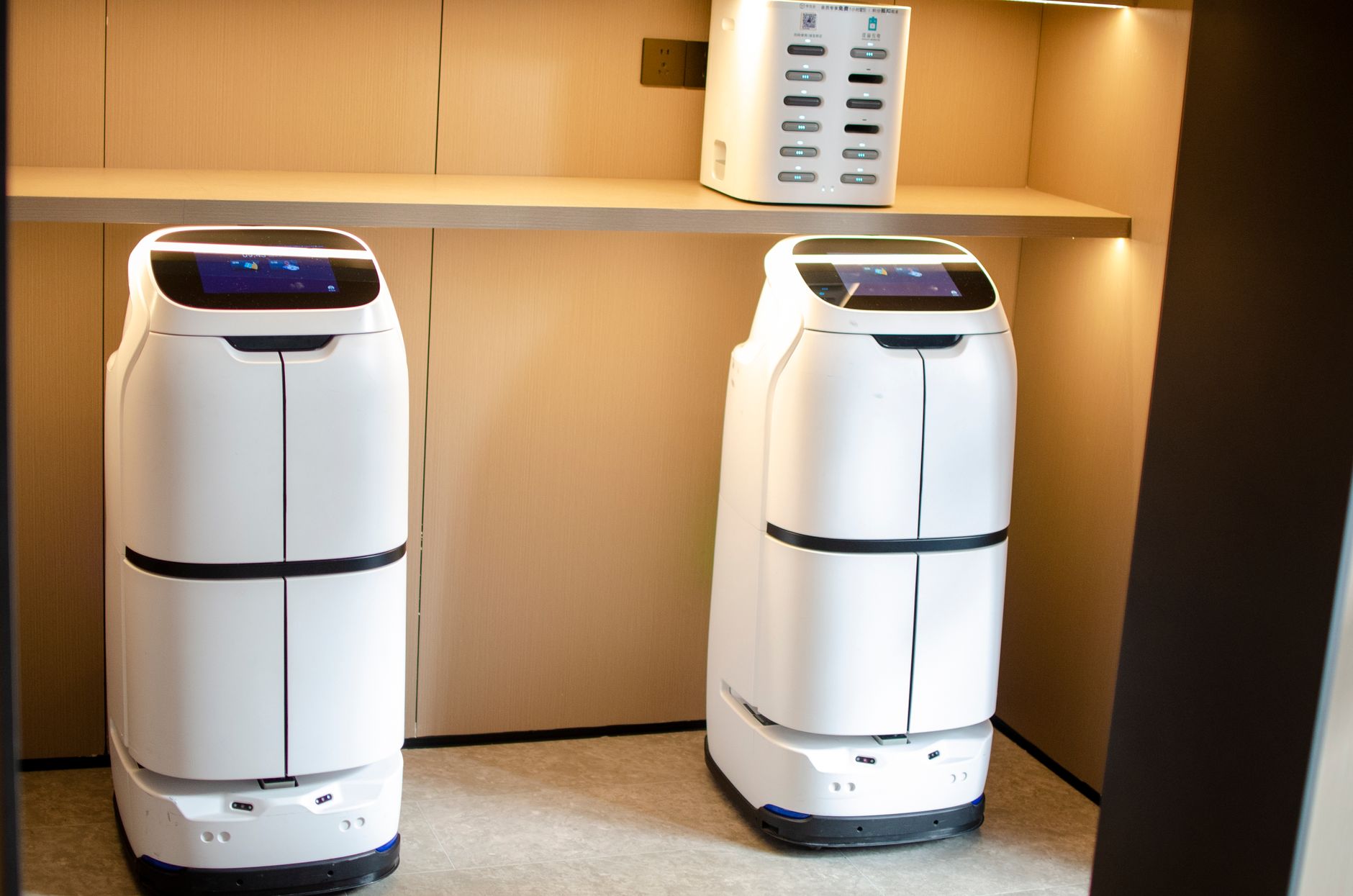
AI hospitality group is revolutionizing the hotel industry with the launch of the first AI-native hotel operating company by industry veteran Sloan Dean.
Introduction to AI Hospitality Group
The hospitality industry is undergoing a significant transformation with the emergence of technology-driven solutions. One of the most innovative players in this space is the AI hospitality group, which aims to redefine the guest experience through artificial intelligence. Founded by industry veteran Sloan Dean, this pioneering company represents the first AI-native hotel operating entity.
AI hospitality group leverages advanced algorithms and data analytics to enhance operational efficiency and streamline service delivery. By integrating AI into various aspects of hotel management, the group aims to not only improve guest satisfaction but also boost profitability for hotel owners.
As the industry evolves, the adoption of AI technologies becomes increasingly crucial. Some of the best proven strategies for success include:
- Personalized guest experiences through data-driven insights.
- Optimizing pricing strategies based on real-time market trends.
- Streamlining operations to reduce costs and improve service.
With these strategies, the AI hospitality group is setting a new standard in the hotel industry, promising a future where technology and hospitality seamlessly converge.
Sloan Dean’s Vision for AI in Hotels
Sloan Dean, a seasoned leader in the hospitality industry, has set forth a transformative vision for the integration of artificial intelligence within hotel operations. Under his guidance, the AI hospitality group aims to revolutionize guest experiences while optimizing operational efficiency.
Dean emphasizes the importance of leveraging AI technology to create personalized services that cater to individual guest preferences. He believes that the future of hospitality lies in understanding customer data and using it to enhance satisfaction.
Key strategies outlined by Dean include:
- Data-Driven Decision Making: Utilizing AI analytics to drive informed operational choices.
- Automated Customer Interactions: Implementing AI chatbots for seamless communication and support.
- Smart Resource Management: Using AI for efficient inventory and staffing solutions.
- Personalized Marketing: Tailoring marketing campaigns based on AI insights into consumer behavior.
With these strategies, the AI hospitality group strives to set a new standard in the industry, blending technology with hospitality to create memorable experiences.
How AI is Changing Hotel Operations
The landscape of hotel operations is undergoing a significant transformation, primarily driven by advancements in artificial intelligence. The AI hospitality group is at the forefront of this evolution, implementing strategies that enhance efficiency and guest satisfaction. Hotels are now harnessing AI technologies to streamline various operational processes.
One of the most notable changes is the use of AI for managing bookings and customer inquiries. By automating these processes, hotels can reduce response times and improve accuracy, allowing staff to focus on personalized guest experiences. Additionally, predictive analytics helps hotels anticipate guest preferences and tailor services accordingly.
Another area where AI is making a marked difference is in housekeeping and maintenance. Smart systems can monitor room conditions and alert staff to maintenance needs before they escalate, ensuring a consistently high standard of service.
Moreover, AI-driven revenue management tools enable hotels to optimize pricing strategies based on real-time market data, maximizing profitability. The integration of these technologies signifies a new era in hotel operations, promising a future where efficiency and guest satisfaction go hand in hand.
Benefits of AI in the Hospitality Sector
The integration of artificial intelligence in the hospitality sector offers numerous advantages that can significantly enhance operations and customer experiences. The AI hospitality group is at the forefront of these advancements, implementing strategies that streamline processes and improve service delivery.
Some of the key benefits include:
- Personalized Experiences: AI technologies analyze guest preferences and behaviors, allowing hotels to tailor services to individual needs.
- Operational Efficiency: Automation of routine tasks reduces labor costs and minimizes human error, enabling staff to focus on higher-value interactions.
- Data-Driven Insights: AI systems provide valuable analytics that help management make informed decisions regarding pricing, marketing, and inventory management.
- Enhanced Customer Support: AI-powered chatbots and virtual assistants offer 24/7 support, addressing guest inquiries promptly and improving satisfaction.
Overall, the AI hospitality group demonstrates that leveraging artificial intelligence can lead to a more efficient, customer-centric approach in the ever-evolving hospitality landscape.
Challenges Facing AI Adoption
The adoption of artificial intelligence within the hospitality sector has not been without its challenges. While the AI hospitality group aims to revolutionize hotel operations, several obstacles remain that could hinder its progress.
Among the primary challenges are:
- Resistance to Change: Many hotel staff and management may be hesitant to embrace new technologies, fearing job displacement or the need for extensive retraining.
- High Initial Investment: Implementing AI solutions often requires significant financial resources, which can be a barrier for smaller establishments.
- Data Privacy Concerns: With increased use of AI comes the need for vast amounts of data, raising concerns over guest privacy and data security.
- Integration Issues: Existing systems may not easily integrate with new AI technologies, leading to potential disruptions in operations.
- Skill Gaps: A shortage of qualified personnel who can manage and maintain AI systems can slow down the adoption process.
Addressing these challenges will be essential for the AI hospitality group to achieve its ambitious goals and fully realize the benefits of AI in the industry.
Future Trends in AI Hospitality
The future of the AI hospitality group is poised for significant transformation as technology continues to evolve. Industry experts predict several key trends that will shape the landscape of hospitality in the coming years.
- Personalized Experiences: AI-driven data analytics will enable hotels to offer highly personalized services, catering to individual guest preferences.
- Increased Automation: From check-in processes to room service, automation will streamline operations, allowing staff to focus on enhancing guest interactions.
- Sustainability Initiatives: AI can optimize energy usage and reduce waste, aligning with the growing demand for environmentally conscious practices in hospitality.
- Enhanced Security: Advanced AI technologies will improve safety measures, including facial recognition and real-time monitoring systems, ensuring a secure environment for guests.
- AI-Driven Marketing: Predictive analytics will help hotels target their marketing efforts more effectively, ensuring higher conversion rates and customer engagement.
As these trends emerge, the AI hospitality group is uniquely positioned to lead the charge, setting new standards for success within the industry.
Conclusion and Key Takeaways
In conclusion, the emergence of the AI hospitality group marks a transformative shift within the hotel industry, signifying a future where technology and guest experience go hand in hand. As we have explored, the integration of artificial intelligence into hotel operations not only enhances efficiency but also personalizes guest interactions, ultimately leading to increased satisfaction and loyalty.
Key takeaways from the discussion include:
- Streamlined Operations: AI tools can automate routine tasks, allowing staff to focus on providing exceptional service.
- Enhanced Guest Engagement: Personalized experiences driven by data analysis create memorable stays for guests.
- Challenges to Consider: Despite the benefits, the adoption of AI must be approached with careful planning to overcome potential hurdles.
- Future Innovations: The ongoing evolution of AI technology promises even more advancements in the hospitality sector.
Overall, the AI hospitality group is paving the way for a new era in hotel management, and embracing these strategies will be key to achieving success in this dynamic landscape.
Photo by silas tarus on Pexels