








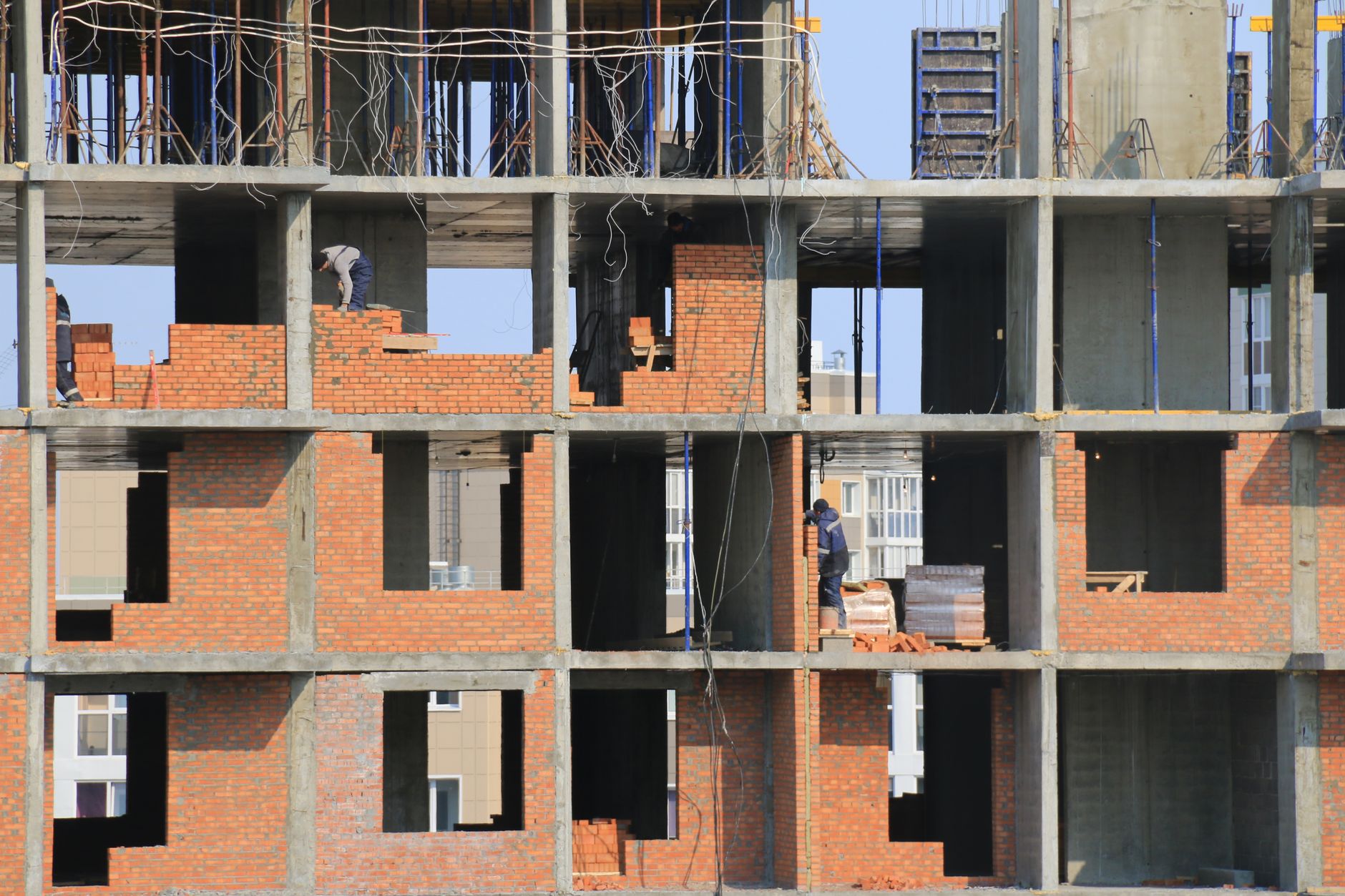
bilateral development projects are at the forefront of discussions between Jaishankar and Bhutanese counterpart DN Dhungyel. These initiatives aim to strengthen ties and enhance infrastructure.
Overview of the bilateral development projects
Bilateral development projects have become a cornerstone of international cooperation, particularly between India and Bhutan. These initiatives aim to enhance infrastructure, education, and healthcare in the Himalayan nation, significantly contributing to its socio-economic growth.
Recently, Indian External Affairs Minister S. Jaishankar held discussions with Bhutanese Foreign Minister DN Dhungyel, where they unveiled a series of major bilateral development projects. These projects are designed to strengthen ties and foster mutual benefits.
Key areas of focus include:
- Infrastructure Development: Initiatives aimed at building roads, bridges, and transport facilities to improve connectivity.
- Educational Programs: Projects that enhance educational facilities and promote skill development among the youth.
- Healthcare Initiatives: Collaborations to improve healthcare services and access to medical resources.
These bilateral development projects are crucial for Bhutan, as they not only improve living standards but also promote sustainable development in the region.
Key benefits for Bhutan’s economy
Bilateral development projects have shown significant promise in bolstering Bhutan’s economy. These initiatives, driven by collaboration between Bhutan and its partners, aim to address critical areas of development.
Among the key benefits for Bhutan’s economy are:
- Infrastructure Development: Improved roads, bridges, and transportation facilities enhance connectivity, facilitating trade and tourism.
- Job Creation: These projects generate employment opportunities, reducing unemployment rates and boosting local economies.
- Skill Development: Training programs associated with these initiatives equip the workforce with essential skills, fostering long-term economic growth.
- Increased Investment: Successful bilateral development projects attract foreign investment, enhancing the country’s economic landscape.
- Sustainable Practices: Many projects incorporate sustainable practices, ensuring that economic growth does not compromise environmental integrity.
As these bilateral development projects continue to unfold, they are expected to provide lasting benefits, positioning Bhutan for a prosperous future.
Jaishankar and DN Dhungyel’s meeting highlights
In a significant meeting between Indian External Affairs Minister Dr. S. Jaishankar and Bhutanese Foreign Minister DN Dhungyel, both leaders emphasized the importance of bilateral development projects in strengthening ties between their nations. The discussions centered around several key initiatives aimed at enhancing Bhutan’s infrastructure and social sectors.
Jaishankar highlighted the ongoing collaboration in areas such as renewable energy, education, and healthcare, noting that these projects not only improve living standards but also create job opportunities for the Bhutanese people. Both ministers expressed their commitment to deepening cooperation and ensuring the successful implementation of these initiatives.
Furthermore, the meeting included a review of past projects, with Jaishankar underscoring the positive impact they have had on Bhutan’s economic growth. The leaders agreed that continued investment and support from India would be crucial for the future development of Bhutan, ultimately fostering a prosperous and resilient partnership.
This dialogue marks a pivotal point in bilateral relations, reinforcing the mutual benefits derived from collaborative efforts.
Future implications for India-Bhutan relations
The future of India-Bhutan relations appears promising, particularly with the continuation and expansion of bilateral development projects. These initiatives not only enhance economic stability but also strengthen diplomatic ties between the two nations. As both countries collaborate on various sectors, the mutual benefits are becoming increasingly evident.
One potential implication of these projects is the increased regional integration within the South Asian context. By investing in infrastructure, education, and healthcare, India and Bhutan are setting a precedent for other nations to follow, which may lead to a more interconnected economy across the region.
Furthermore, these bilateral development projects are likely to foster greater people-to-people connections. As educational and cultural exchanges increase, the understanding and goodwill between the citizens of both countries will deepen, solidifying their partnership.
Ultimately, the ongoing commitment to collaborative development signifies a robust foundation for future cooperation, ensuring that both India and Bhutan can navigate emerging challenges together while reaping the benefits of their close relationship.
Challenges in implementing development projects
While bilateral development projects have the potential to significantly enhance Bhutan’s infrastructure and economy, several challenges persist in their implementation. One major hurdle is the geographical terrain of Bhutan, which is characterized by rugged mountains and remote areas. This can complicate logistics and increase the costs associated with project execution.
In addition, bureaucratic delays often hinder the timely rollout of development initiatives. Both Indian and Bhutanese officials have acknowledged the need for streamlined processes to ensure that projects can move forward without unnecessary setbacks.
Moreover, community engagement is crucial for the success of these projects. Resistance from local populations, either due to lack of awareness or concerns about environmental impact, can pose significant obstacles. Ensuring that local voices are heard and that their needs are addressed is essential for the sustainable success of bilateral development projects.
Lastly, funding and resource allocation can also be problematic. Securing consistent financial support from both parties is vital to overcome these challenges and realize the full benefits of cooperation.
Photo by Ilya on Pexels