








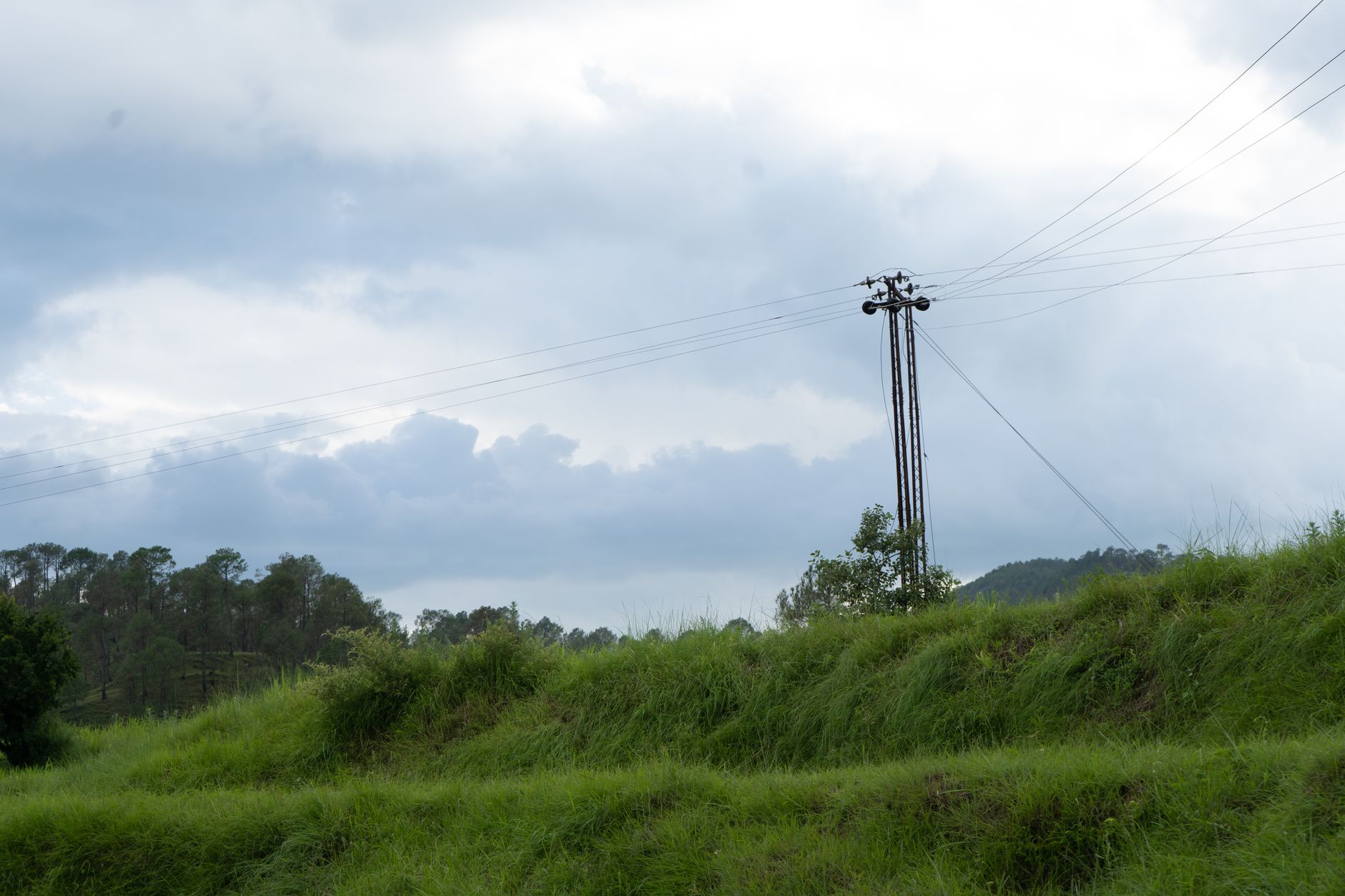
India transmission buildout is generating excitement in the infrastructure sector. Rajesh Ganesh, MD & CEO of Bajel Projects, expresses optimism about the future of transmission developments in India.
Overview of India’s Transmission Buildout
India’s transmission buildout is a crucial element in the country’s energy infrastructure development. As the demand for electricity continues to rise, enhancing transmission capabilities is essential for ensuring a reliable supply. This initiative focuses on upgrading existing networks and constructing new lines to facilitate the efficient distribution of power across regions.
Rajesh Ganesh, MD & CEO of Bajel Projects, expressed enthusiasm about the ongoing projects, stating, “We’re quite excited about it.” His sentiment reflects the optimism within the industry regarding the potential for growth and innovation in India’s energy sector.
Key strategies driving this buildout include:
- Investment in Technology: Implementing advanced technologies to improve grid management and efficiency.
- Public-Private Partnerships: Collaborating with private entities to share resources and expertise.
- Regulatory Support: Streamlining regulations to facilitate faster project approvals and implementation.
- Sustainable Practices: Incorporating renewable energy sources to reduce carbon footprints.
The focus on these strategies ensures that India’s transmission buildout will not only meet current demands but also pave the way for future energy needs.
Rajesh Ganesh’s Vision for the Future
Rajesh Ganesh, the Managing Director and CEO of Bajel Projects, has articulated a clear vision for the future of India’s transmission buildout. In a recent interview, he expressed enthusiasm about the potential of this sector, emphasizing the importance of modernizing infrastructure to meet the growing energy demands of the nation.
Ganesh highlighted several key strategies that could drive this growth:
- Investment in Technology: Emphasizing the need for adopting cutting-edge technologies, he believes that advancements in smart grid solutions will enhance efficiency and reliability.
- Public-Private Partnerships: Ganesh pointed out that collaboration between the government and private sector is crucial for mobilizing resources and expertise.
- Focus on Sustainability: He stressed the importance of integrating renewable energy sources into the transmission network, which aligns with India’s commitment to reducing carbon emissions.
- Skilled Workforce Development: Investing in training programs for engineers and technicians will ensure that the workforce can meet the challenges of modern transmission systems.
With these proven strategies, Ganesh is optimistic that India’s transmission buildout will not only meet current demands but also pave the way for a sustainable energy future.
Key Challenges in Transmission Development
As India embarks on an ambitious transmission buildout, several key challenges must be addressed to ensure the success of this initiative. Industry experts, including Rajesh Ganesh, have highlighted these hurdles that could impede growth and efficiency.
- Regulatory Hurdles: The complex regulatory landscape can slow down project approvals and implementation.
- Investment Gaps: Despite significant interest, securing the necessary funding remains a challenge, affecting the pace of development.
- Technological Integration: The integration of advanced technologies into existing systems poses technical challenges that require innovative solutions.
- Land Acquisition Issues: Securing land for new transmission lines often faces local opposition and bureaucratic delays, complicating project timelines.
- Skilled Workforce Shortage: A lack of skilled labor in the sector can hinder the efficient execution of transmission projects.
Addressing these challenges is crucial for the successful execution of India’s transmission buildout, enabling the country to meet its growing energy demands and support sustainable development goals.
Impact on the Energy Sector
The ongoing India transmission buildout is poised to significantly reshape the energy sector, presenting both opportunities and challenges for stakeholders. With the government’s commitment to enhancing electricity access, the expansion of transmission infrastructure is critical in facilitating reliable energy supply across the nation.
Key impacts of the transmission buildout include:
- Enhanced Reliability: Improved transmission networks will reduce outages and ensure a stable electricity supply, crucial for economic growth.
- Integration of Renewable Energy: The transmission buildout supports the integration of solar and wind power, aligning with India’s sustainability goals.
- Job Creation: Expanding the transmission sector is expected to generate numerous jobs, contributing to local economies.
- Cost Efficiency: A more efficient transmission system can lower energy costs for consumers and businesses alike.
Industry leaders like Rajesh Ganesh emphasize the importance of strategic investments and innovative solutions to maximize the benefits of this transmission buildout. As the energy landscape evolves, collaboration among government agencies, private sector players, and local communities will be essential to ensure the successful implementation of these strategies.
Innovative Solutions for Infrastructure
As India embarks on its ambitious transmission buildout, innovative solutions are crucial to overcoming the existing challenges and ensuring sustainable growth in the energy sector. Key players in the industry, including Rajesh Ganesh, emphasize the importance of integrating cutting-edge technology and practices.
- Smart Grid Technology: Implementing smart grids can enhance efficiency and reliability, allowing for real-time monitoring and management of electricity flow.
- Renewable Energy Integration: Developing infrastructure that supports renewable energy sources, such as solar and wind, is vital for meeting India’s growing energy demands while reducing carbon emissions.
- Public-Private Partnerships: Encouraging collaboration between government entities and private companies can accelerate project timelines and reduce costs, ensuring a more effective transmission buildout.
- Advanced Materials: Utilizing innovative materials that can withstand extreme weather conditions will be essential for the longevity and durability of transmission lines.
By employing these strategies, India can effectively navigate the complexities of its transmission buildout, paving the way for a resilient and sustainable energy future.
Government Initiatives Supporting Growth
The Indian government has launched several initiatives aimed at supporting the growth of the transmission sector, particularly as part of the broader India transmission buildout strategy. These initiatives are designed to enhance infrastructure, streamline processes, and encourage investments in the energy transmission domain.
- National Electricity Policy: This policy aims to ensure reliable and affordable electricity for all, with a significant focus on expanding the transmission network.
- Financial Assistance Programs: The government has introduced various financial schemes to support state utilities in upgrading their transmission facilities, making it easier to secure funding for necessary upgrades.
- Public-Private Partnerships: By fostering collaboration between public and private sectors, the government encourages innovative solutions and efficient project execution in the transmission landscape.
- Regulatory Reforms: Revisions in regulatory frameworks are intended to simplify the approval process for new transmission projects, reducing bureaucratic delays and promoting faster implementation.
These initiatives reflect the government’s commitment to not only expand the transmission network but also to position India as a leader in sustainable energy solutions, ensuring that the future of energy transmission is both robust and innovative.
The India transmission buildout is crucial for supporting the country’s growing energy demands. By implementing innovative technologies, stakeholders can enhance the efficiency of the India transmission buildout process.
Photo by Yogendra Singh on Pexels