



Pool Landscaping Plans Work Better When the Pool Leads the Layout
A nice yard still needs a working diagram
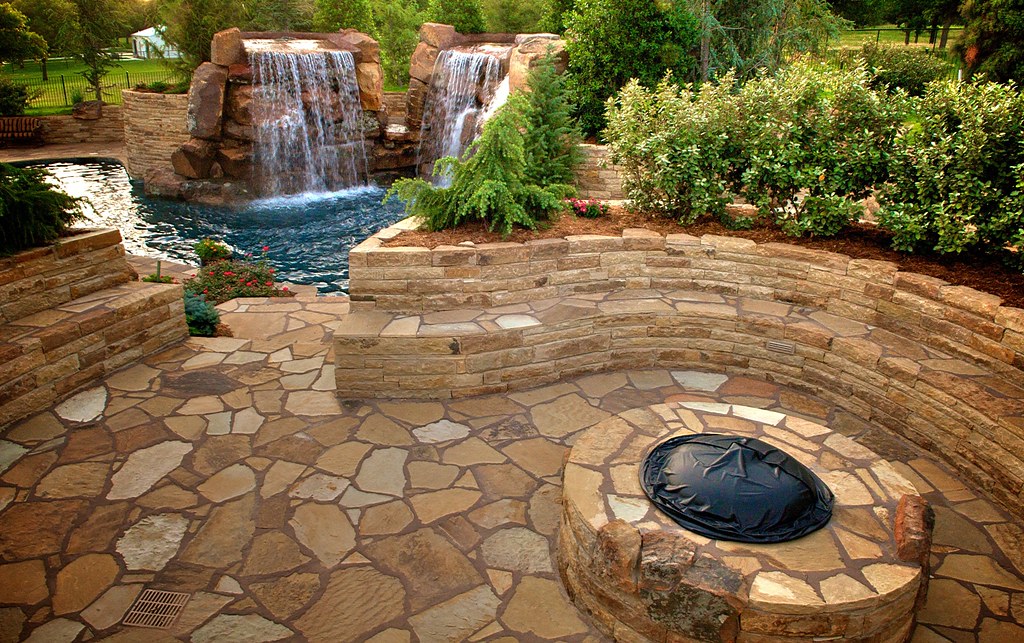
Pool landscaping can look simple in inspiration photos because the hard decisions are invisible. The pool shape, patio width, fence line, planting beds, service path, furniture zones, drainage, and equipment location all have to work together before the yard can feel relaxed.
The pool and landscape design page from Jameson Pool & Spa describes projects that combine design, permitting, build, patio, landscaping, and finishing details. That matters because a pool rarely succeeds as an isolated rectangle dropped into a yard.
The expert test: movement first
A useful plan lets people move naturally. Someone should be able to leave the house, reach seating, walk to the pool, pass behind chairs, access the equipment area, and avoid wet bottlenecks. If the only route through the yard cuts across the main lounging zone, the plan may feel cramped even when the pool is beautiful.
This is especially important in small and mid-size backyards. A modest pool with a clean circulation path can feel larger than a bigger pool that leaves no comfortable place to sit, dry off, or host a meal.
The second test: what the plan avoids
Jameson’s design planning process highlights slope, drainage, roots, furniture placement, privacy, plantings, permits, and technical details. Those are not decorative issues. They are the details that prevent a backyard from needing avoidable corrections later.
Good pool landscaping also avoids planting that drops debris into the water, patio edges that block inspections, and privacy screens that solve one sight line while creating a maintenance problem. The best design choices are often the ones that quietly remove friction.
A strong backyard plan also makes room for the unphotographed parts of pool ownership. Someone will need to move a vacuum, carry supplies, reach shutoffs, clear leaves, and store winter gear. If those movements are not considered early, they get squeezed into whatever space remains after the prettier decisions are already locked in.
The same thinking applies to shade and privacy. A screen that looks good in one season may cast the wrong shadow, crowd a path, or drop material into the water. A useful plan tests those choices against daily use, not just the first sunny afternoon after construction.
A plan should age well
Homeowners sometimes design only for the first reveal. A better plan considers ordinary weeks: where towels go, how furniture moves, where shade falls, how service technicians reach the pad, and which features will still be used after the novelty wears off.
Pool landscaping works best when the pool leads the layout instead of competing with it. Once access, drainage, patio scale, and plantings are settled, the decorative decisions become easier and the yard feels more intentional.